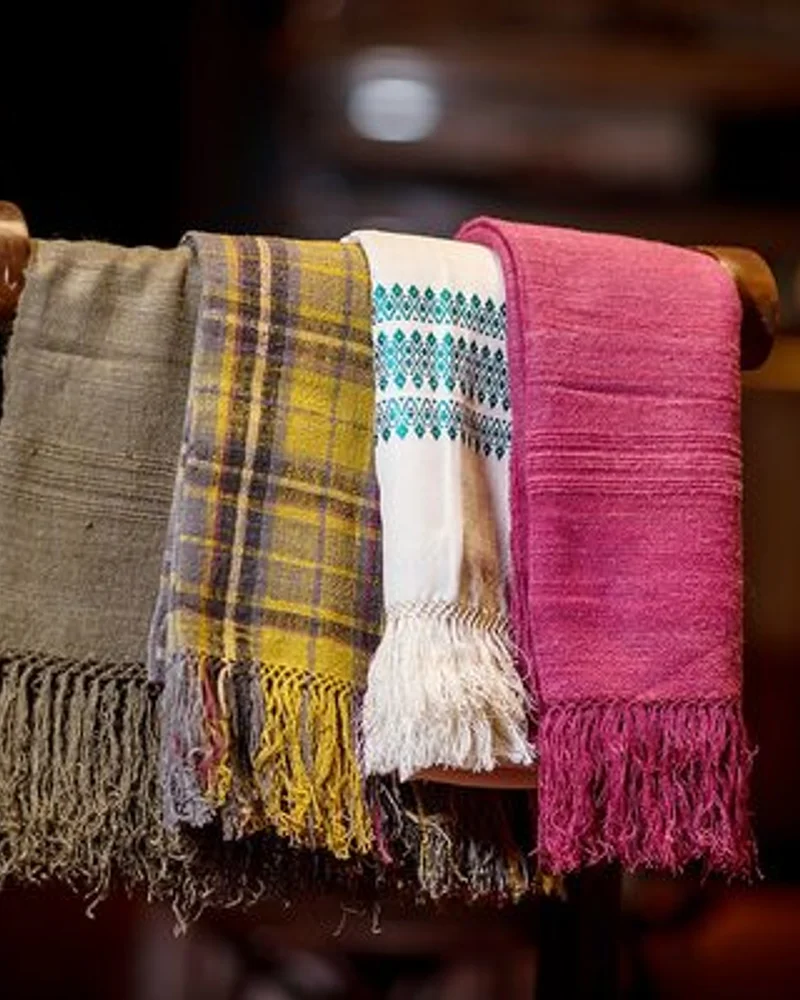
Step by step
- Choose your handloom nichePick one angle, such as Bengal handloom, cotton stoles or natural-dye textiles, so sourcing and marketing stay simple.
- Plan an approximate budgetKeep roughly ₹15,000 to ₹40,000 for stock and about ₹500 to ₹1,500 for packing. Start with affordable stoles and dupattas before costly sarees.
- Source from trusted makersBuy from weavers, cooperatives, state emporiums or craft melas, and ask for origin details and genuine labels such as the Handloom Mark where available.
- Check legal basicsCheck local shop rules and the current GST threshold on the official GST portal before your sales grow.
- Record and photograph each pieceNote the weave, cluster, fabric, size and cost. Photograph in daylight with close-ups of the weave, border and pallu.
- List online with storiesAdd weave name, region, fabric, length, care instructions and a two-line story for each piece, then share your shop link.
- Reach craft loversMessage friends and colleagues who love textiles, post one piece a day on WhatsApp Status, and look for a local craft mela to join.
Is a handloom business right for you?
Handloom suits sellers who love textiles and enjoy telling the story behind each piece. Buyers want to know the weave, the region and how it was made. If you can explain the difference between a Pochampally ikat and a printed imitation, you already have an edge.
Expect slower but steadier sales than fast fashion. Handloom buyers often think before buying, ask more questions, and come back for years if they trust you.
What you need and an approximate budget
Handloom pieces cost more per piece than mill-made goods, so start with a smaller, well-chosen range. All figures are approximate and depend heavily on the weave and region.
- Starting stock: roughly ₹15,000 to ₹40,000 for a mix of stoles, dupattas and a few sarees
- Storage: cotton or muslin covers, a dry cupboard and naphthalene-free moth protection such as neem or cedar
- A plain backdrop and daylight for photos that show true colours
- Packing: cloth or paper bags and tissue, roughly ₹500 to ₹1,500 to start
- A notebook to record the weaver, cluster, fabric and cost for each piece
Legal basics and the Handloom Mark
Most small home sellers can begin without a shop licence, but check your state and city rules. GST registration is usually needed only once turnover crosses the government threshold or if a marketplace you join requires a GSTIN. Check the current threshold on the GST portal before you grow.
Be careful with words like pure, handwoven or GI-tagged. Use them only when you know they are true. Look for genuine labels such as India Handloom Brand or the Handloom Mark where available, and ask suppliers for proof. Honest descriptions protect your reputation.
Choose a niche and your first 10 products
Handloom is a huge world. Pick one angle so buyers remember you: one region such as Bengal handloom, one product such as cotton stoles, or one theme such as natural-dye textiles. A narrow focus also makes sourcing easier.
Keep your first range affordable so buyers can try you without a big risk.
- 4 cotton or khadi stoles in different colours
- 2 handloom dupattas that pair with plain kurtis
- 2 handloom cotton sarees from one cluster
- 1 handicraft item such as a handwoven table runner or cushion cover
- 1 premium piece such as a silk saree to show your range
Name your shop and set it up online
A name that hints at craft works well, such as your name plus Looms, Weaves or Taana-Baana. Keep it short and easy to spell. Check it is available on Instagram.
Then put your pieces online with clear details: weave name, region, fabric, length and care instructions. On ShopShare you can open a free shop in under a minute with your own link, and buyers order by tapping 'Order on WhatsApp', with the product already named in the chat. That makes it easy to answer craft questions personally.
Your first week plan
Small, honest steps build trust in a handloom shop faster than heavy promotion.
- Day 1: Photograph each piece in daylight, including a close-up of the weave and border
- Day 2: Write a two-line story for each piece: where it was woven and what makes it special
- Day 3: Message friends, family and colleagues who love textiles with your shop link
- Day 4: Post on WhatsApp Status with one piece and its story
- Day 5: Start an Instagram account and post a drape video of a stole or saree
- Day 6: Find one local craft mela or exhibition you could join in the coming months
- Day 7: Review enquiries and note which colours and weaves people asked about