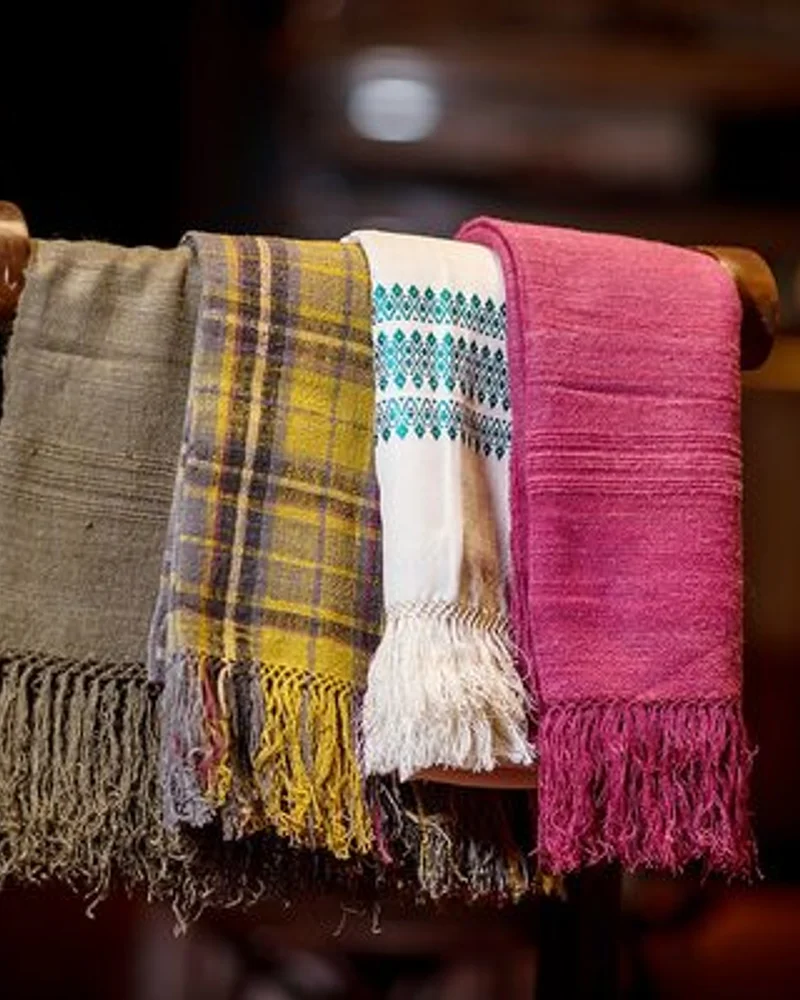
Step by step
- Reach craft lovers you knowMessage friends, relatives and colleagues who wear handloom with two pieces you think they would like, plus your shop link.
- Post one story a dayShare one piece daily on WhatsApp Status with its weave name, region and price, plus a weave close-up and a short drape video.
- Teach on InstagramPost drape reels, weave close-ups and short notes on the cluster or weaver, with captions that explain what makes each weave special.
- Join groups respectfullyAsk admins of saree, craft and alumni groups before posting, share once or twice a week, and add useful tips, not only offers.
- Take part in melasJoin a craft mela, exhibition or society bazaar so buyers can touch the fabric, and collect phone numbers with permission.
- Get listed locallySet up a free Google Business Profile with photos and list on a local marketplace so people searching nearby can find you.
- Follow the handloom calendarPost festive and seasonal collections two to four weeks before National Handloom Day, Durga Puja, Diwali, Onam, Pongal and weddings.
- Keep buyers coming backRecord each buyer's favourite weaves, colours and budget, and message them first when a matching piece arrives.
Begin with people who value craft
Start with friends, relatives and colleagues who already wear handloom or care about Indian crafts. Teachers, doctors, office-goers who wear sarees, and people active in cultural groups are often natural buyers. Send each a personal message with two pieces you think they would like.
Gifting is a big reason people buy handloom. Remind your contacts that a stole or saree makes a meaningful gift for weddings, retirements and festivals.
Tell the story on WhatsApp Status every day
WhatsApp Status is perfect for handloom because you can post one piece with its story. Keep a simple daily rhythm.
- Morning: one piece with weave name, region and price
- Afternoon: a close-up of the weave, border or motif
- Evening: a short drape or folding video
- Once a week: a photo or short note about the weaver or cluster, with their permission
Groups and Instagram, done respectfully
Saree groups, craft lovers' groups and alumni groups can bring good buyers. Ask admins before posting, share once or twice a week, and add value, such as how to identify real ikat, rather than only selling.
On Instagram, drape reels, slow pans across a weave, and loom videos from your sourcing trips do well. Use captions that teach: what makes Bhagalpuri tussar special, or how to care for a cotton tant saree. With ShopShare you can share products directly to WhatsApp Status, Instagram or Facebook, and track every WhatsApp enquiry so no interested buyer is forgotten.
Melas, local listings and word of mouth
Craft melas, exhibitions and society bazaars let buyers touch the fabric, which matters a lot for handloom. Collect phone numbers at every event and add them to your WhatsApp contacts with permission.
List your shop on ShopShare Market so nearby buyers can find you, nearest first, and set up a free Google Business Profile with photos so people searching for handloom near them see you. After each sale, ask for a short review that mentions the quality and your service.
The handloom calendar
Start posting festive collections two to four weeks early, since many buyers plan handloom purchases in advance.
- National Handloom Day on 7 August: a natural moment for handloom stories and offers
- Durga Puja, Navratri and Diwali: festive sarees and silk
- Onam and Pongal: regional cotton and silk weaves
- Wedding season: silk sarees and gift sets
- Winter: shawls and woollen stoles
- Summer: light cotton stoles and sarees
Photos that sell and repeat customers
Shoot in soft daylight to show true colour, since handloom buyers dislike surprises. Include a full view, a close-up of the weave, the border and pallu, and a draped or worn photo. Mention length, width and care in the caption.
Keep notes on what each buyer likes, such as weaves, colours and budget. When a matching piece arrives, message them first. Many handloom buyers collect pieces over years, and a personal heads-up often turns into a quick sale.