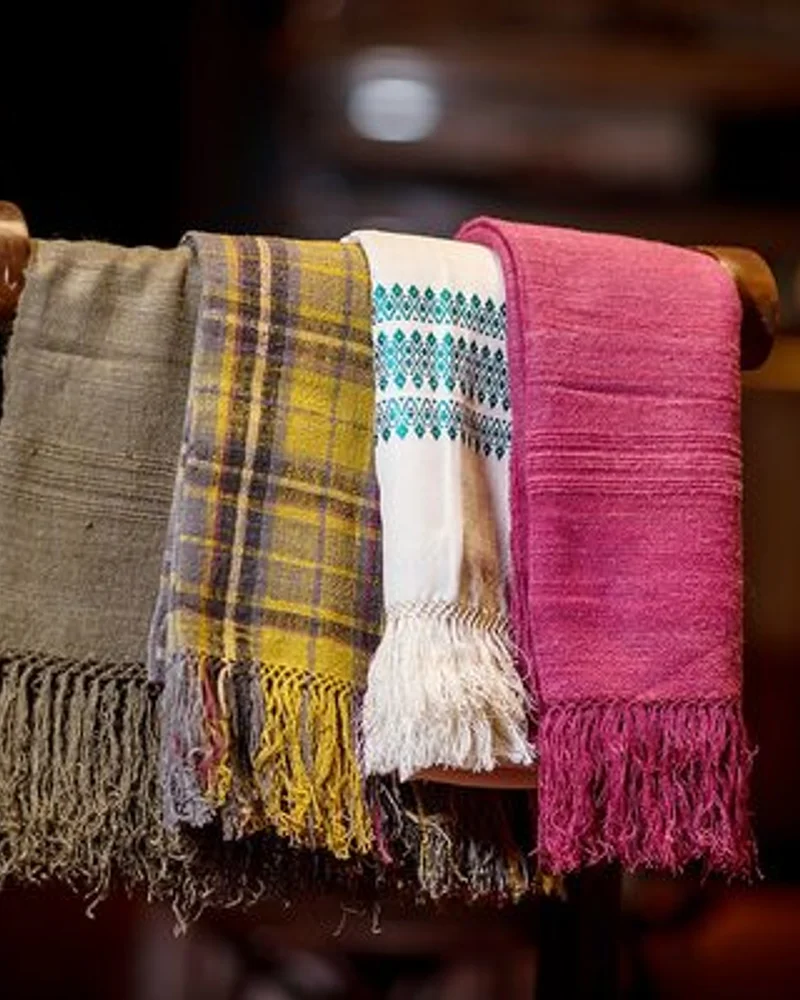
How to Price Handloom Products: Profit Margin Guide
Handloom pricing is tricky. Price too low and you cannot cover costs or pay weavers fairly. Price too high without explaining the craft and buyers walk away. Here is a clear method to set prices you can stand behind.
Updated 25 October 2026 · ShopShare Guides
Quick answer
To price handloom products, add the price paid to the weaver, travel or courier per piece, packing, washing and an allowance for slow sellers, then multiply. Many small resellers aim for roughly 1.5 to 2 times full cost on stoles and dupattas, and a lower multiple on expensive silk sarees, while explaining the craft to justify the price.
Full cost includes courier from the cluster and storage losses
Many resellers aim for roughly 1.5 to 2 times full cost
Explain the weave, region and time taken to justify price
Use gift sets and bundles rather than frequent discounts
Review prices every few months as yarn costs change
Work out your full cost
Handloom pieces carry hidden costs because they often come from far away and need careful storage.
Price paid to the weaver, cooperative or emporium
Travel to the cluster or mela, or courier charges, divided across pieces
Packing: cloth bag, tissue, a small craft card
Washing or ironing before photos, if needed
An allowance for pieces that sell slowly or get damaged in storage
A worked example
This example only shows the method. Real prices vary widely by weave and region.
Suppose you buy a handwoven cotton stole for ₹400 from a weaver. Courier from the cluster for your whole lot works out to ₹35 per stole. Packing with a cloth bag and card costs ₹25. You set aside ₹30 per piece for slow sellers. Your full cost is about ₹490.
Priced at ₹850, you make about ₹360 per stole. Priced at ₹650, you make about ₹160. Since handloom sells more slowly than fast fashion, many sellers prefer the higher margin and fewer discounts.
Typical margins and the value of the story
Margins in handloom resale vary widely. Many small sellers aim for roughly 1.5 to 2 times their full cost on stoles and dupattas, and may take a lower multiple on expensive silk sarees where the rupee profit is already larger. These are rough guides, not rules.
Your price should reflect the craft. Tell buyers the weave, the region and roughly how long a piece takes to make. Buyers who understand the work are less likely to compare you with cheap powerloom copies.
Pricing strategies for handloom
On ShopShare you can display MRP and the percentage off next to each product, so buyers see the offer clearly.
Show an honest MRP and offer price, for example MRP ₹1,100 and offer ₹850
Bundles: a stole plus matching dupatta, or a set of three table runners
Gift pricing: a ready-to-gift box at a slightly higher price for festivals and weddings
Festive collections: price premium silk pieces for Diwali, Durga Puja, Pongal and wedding season
Mela pricing: keep a small range of lower-priced items to attract walk-in buyers
Delivery charges and cash on delivery
Stoles and dupattas are light, so delivery is affordable. Sarees and handicraft pieces may cost more to ship. Check rates with a few couriers and decide whether to include delivery in the price or charge it separately. Many sellers offer free shipping above a minimum order.
For expensive pieces, cash on delivery carries a risk of refused parcels. Consider a part advance for outstation orders, and offer full COD for local deliveries where you can hand over the piece yourself.
When to raise prices
Raise prices when your weaver's rates go up, when a piece sells out quickly every time, or when buyers stop asking for discounts. Handloom costs often rise with yarn prices, so review your price list every few months. Explain increases simply: better yarn, fair wages for weavers, or limited pieces.
Get the free ShopShare app
Open your shop in a minute, show up for buyers near you on ShopShare Market and Google, and take orders on WhatsApp. No commission, ever.
It varies, but many small resellers aim for around 1.5 to 2 times their full cost on stoles and dupattas, and take a lower multiple on expensive silk sarees where the rupee profit is already larger. Calculate every cost first, including travel, courier, packing and storage losses. These are rough guides, not guaranteed margins.
Why are handloom prices higher than machine-made fabric?
Handweaving takes much longer than machine weaving and needs skilled labour, sometimes days or weeks for one saree. Natural fibres and dyes can also cost more. Explaining the weave, the region and roughly how long a piece takes helps buyers see the value and stops them comparing you with cheap powerloom copies.
Should I give discounts on handloom?
Use bundles, gift sets and festive offers instead of frequent price cuts. Steady pricing builds trust in genuine handloom, because buyers who see constant sales may doubt the original price. A matching stole and dupatta set, or free delivery above a minimum order, gives buyers value without lowering the price of the craft.
How do I price a handloom saree for resale?
Add the buying price, your share of travel or courier, packing, any washing or ironing, and an allowance for slow sales. That is your full cost. Then choose a multiple, often lower for costly silk sarees than for small items, and check prices of similar weaves at emporiums and other sellers before deciding.
How do I price handloom stoles and dupattas?
Work out the full cost per piece, including courier from the cluster and packing. As an example only, a stole costing ₹400 with about ₹90 of extra costs has a full cost near ₹490, and at ₹850 it leaves about ₹360. Stoles are light and affordable, so they are good for gifting price points.
Should I charge more for handloom at exhibitions?
Many sellers keep the same price online and at melas so buyers trust them, but they factor stall fees and travel into their overall pricing. It helps to bring a small range of lower-priced items to attract walk-in buyers. If mela costs are high, review whether those items still earn a fair margin.
How do I price handloom fairly for weavers and buyers?
Pay weavers a fair rate and do not squeeze them hard, then build that real cost into a price you can explain. Tell buyers the weave, region and effort involved. Fair buying gives you an honest story to share, and buyers who value craft are usually willing to pay a reasonable price for it.