Step by step
- Choose your nichePick a clear style such as kundan for weddings, oxidised for daily and ethnic wear, temple jewellery, minimal office-wear or handmade beaded pieces.
- Decide between stock and resellingReselling lets you start with very little money, while your own stock gives better margins and faster delivery.
- Buy starter stock and packagingStart with about 30 to 50 pieces in your niche, plus earring cards, pouches and boxes. Handmade sellers buy basic tools and findings.
- Check legal basicsCheck current GST rules on the official GST portal or with an accountant, and never call pieces gold, silver or real stones unless they are.
- Photograph every pieceShoot sharp close-ups in daylight on a plain background, plus a worn or stand photo to show size.
- Put your catalogue onlineUpload each piece with price, finish, size and care tips to a shop link buyers can browse before messaging you.
- Announce and follow upShare your shop on WhatsApp Status, post a styling reel, reply to every enquiry quickly and ask first buyers for a worn photo.
Is a jewellery business right for you?
This business suits people who follow trends, enjoy styling outfits and like small, detailed work. Designs change fast, so you need to keep an eye on what is popular at weddings, on Instagram and in films.
It needs little space. A drawer organiser, a few boxes and a small table for photos are enough to begin. If you plan to make handmade pieces, you will also need patience and steady hands.
What you need and approximate budget
You can start as a reseller with very little stock, or buy a small collection upfront. These ranges are approximate and vary by city and quality.
- Starter stock of 30 to 50 earrings, necklaces and bangles: roughly ₹5,000 to ₹20,000
- A few bridal or kundan sets as premium pieces: roughly ₹5,000 to ₹20,000 more
- Display: earring cards, velvet boxes, pouches and zip bags: roughly ₹1,000 to ₹3,000
- Photo setup: a plain board, a small stand or mannequin neck, and good daylight: roughly ₹500 to ₹2,000
- For handmade jewellery: pliers, wire, findings, beads and threads: roughly ₹2,000 to ₹6,000 to begin
Legal basics
Selling imitation jewellery from home does not usually need a special licence to start. GST registration is usually needed once your turnover crosses the threshold, or if you sell on some online marketplaces that ask for a GSTIN. Thresholds and rules change, so check the current limits on the GST portal or ask an accountant.
Be honest in descriptions. Do not call pieces gold, silver or real stones unless they are. Use words like gold-plated, oxidised finish or American diamond. Mention if a piece contains nickel, since some people are allergic, and add basic care tips.
Choose your niche and first 10 products
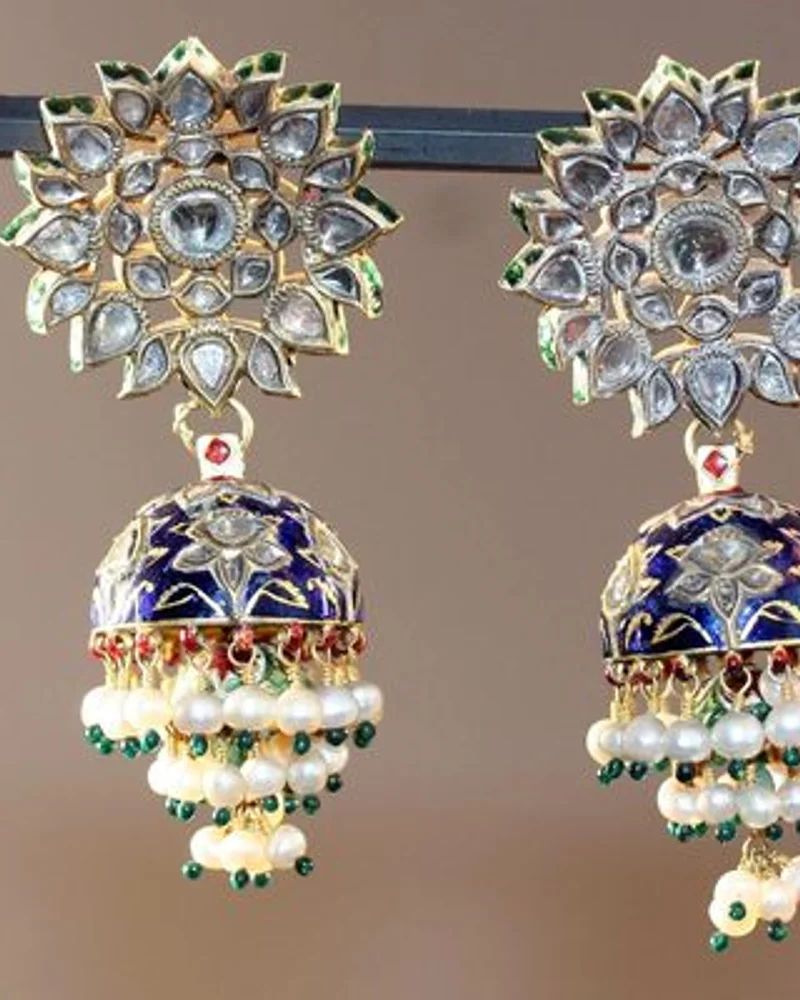
A clear style helps buyers remember you. Popular niches include kundan and polki for weddings, oxidised silver-finish jewellery for daily and ethnic wear, temple jewellery, American diamond sets, minimal office-wear pieces, and handmade beaded or resin jewellery.
An example starter range for ethnic jewellery:
- 3 pairs of oxidised jhumkas in different sizes
- 2 kundan earring and maang tikka sets
- 1 kundan or polki choker set for weddings
- 1 temple jewellery necklace set
- 1 American diamond pendant set for parties
- 1 set of bangles in a few common sizes
- 1 minimal daily-wear earring style for office
Name your shop and go online
Pick a short, elegant name that suits your style, such as your name plus Jewels, or a word like Jhumka or Gehna. Check that it is available on Instagram.
Customers want to see close-up photos and prices. With ShopShare you can open a free shop link like yourname.shopshare.in, upload each piece with price and finish, and let buyers tap Order on WhatsApp so the chat opens with that piece already named.
Your first week plan
Use the first week to build a neat catalogue and start conversations.
- Day 1: Choose your niche and finalise your first collection
- Day 2: Photograph every piece in daylight, flat lay plus worn or on a stand
- Day 3: Upload with price, finish, size and care tips
- Day 4: Announce your shop on WhatsApp Status and to friends and family
- Day 5: Post a styling reel matching jewellery to outfits
- Day 6 and 7: Reply to every enquiry quickly and ask first buyers for a photo wearing the piece