Step by step
- Wear your pieces and share your linkWear your jewellery every day and to functions, and share your shop link when someone compliments a piece.
- Set up WhatsApp Business and quick repliesCreate a WhatsApp Business profile and save quick replies for common questions on plating, size, care and delivery.
- Post on Status every dayShare 4 to 6 pieces daily with a code and price, mixing flat lays, worn photos and short videos showing shine.
- Share styling reels on InstagramPost full looks, quick try-ons and outfit pairings, with style, occasion and city in captions.
- Collaborate with clothing sellersPartner with saree, kurti or boutique sellers who can recommend your jewellery to their buyers, and recommend them in return.
- Get listed locallyList your shop where nearby buyers search and set up a Google Business Profile if you are fine with pickups or visits.
- Plan wedding and festive collectionsPost wedding collections several weeks early and plan stock for Navratri, Raksha Bandhan, Diwali and other peaks.
- Follow up for repeat ordersTrack every enquiry as new, paid or delivered, and message past buyers when pieces matching their taste arrive.
Start with people who know you
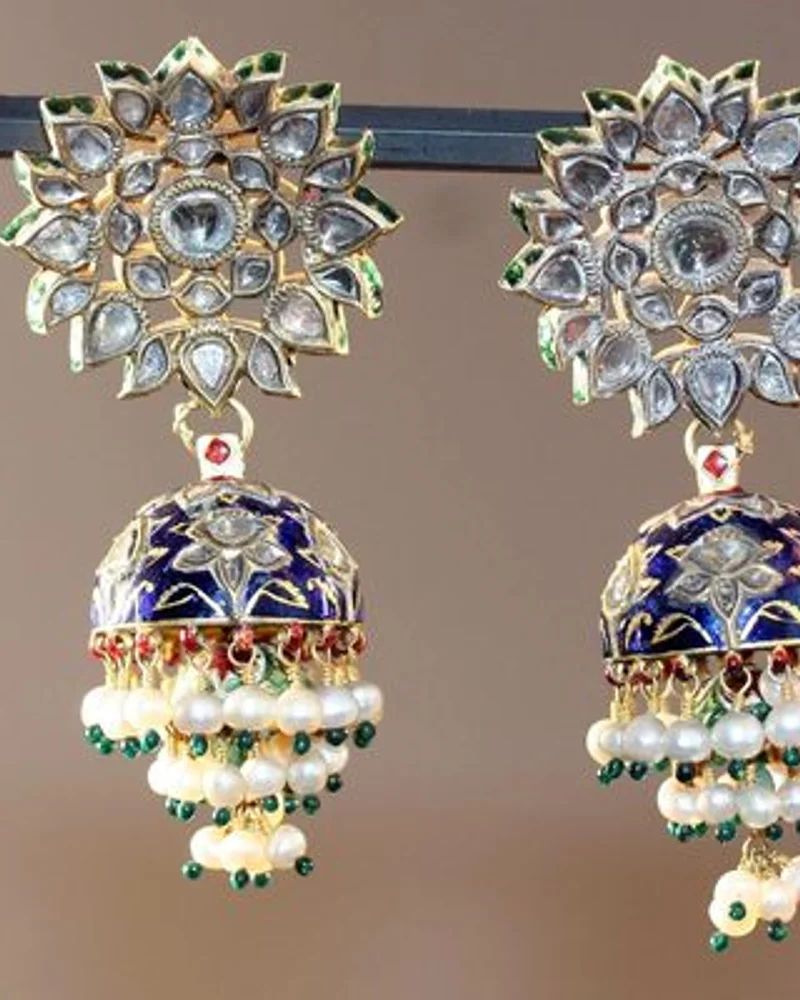
Wear your own pieces every day and to every function. When someone compliments your jhumkas, tell them they are from your shop and share your link. Friends, relatives and colleagues are usually your first buyers.
Offer a small thank-you gift, like a simple pair of studs, to your first few customers who send a photo or review.
Daily WhatsApp Status routine
Status is where many jewellery sellers get regular orders. Keep it neat and frequent.
Reply to every enquiry quickly. Jewellery is often an impulse buy, and a buyer who waits too long may move on. Keep ready answers for common questions like plating, size and delivery time.
- Post 4 to 6 pieces daily, each with a code and price
- Mix flat lays with worn photos so people see the size
- Post a short video of earrings moving in light, since shine sells
- Show outfit pairings, like a saree or kurti with matching jewellery
- Share new arrivals on fixed days so buyers know when to check
WhatsApp groups and Instagram
In society, college or community groups, post only where it is allowed, and share a small curated set once or twice a week. Move buyers to a personal chat for details.
On Instagram, reels that show a full look, a quick try-on, or a before and after with jewellery perform well. Use captions with the style, occasion and city, like oxidised jhumkas Bengaluru. Collaborating with saree or kurti sellers for styled photos helps both of you reach new buyers.
Local listings and reviews
Some buyers want to see jewellery in person, especially for weddings. List your shop on ShopShare Market so nearby buyers find you first, and set up a Google Business Profile if you are fine with buyers visiting or picking up.
Ask every buyer for a short review that mentions quality, finish and packaging. Photos of customers wearing your pieces at functions are your strongest proof.
The jewellery selling calendar
Plan stock and posts a few weeks before each occasion. Post wedding collections early, since brides and their families often shop for jewellery weeks before the function.
- Wedding seasons: kundan, polki-style, bridal and temple sets
- Navratri and Garba: oxidised and mirror-work jewellery
- Teej, Karwa Chauth and Raksha Bandhan: bangles, earrings and gift boxes
- Durga Puja, Diwali and Onam: festive sets and traditional designs
- Valentine's Day and birthdays: pendants and gift-ready boxes
- College fests and office parties: minimal and western styles
Repeat buyers and photos that sell
Note what each customer likes, such as oxidised or kundan, and message them when matching pieces arrive. Track every WhatsApp enquiry as new, paid or delivered so follow-ups never slip.
For photos, use soft daylight, a plain dark or neutral background, and take a sharp close-up showing stones and finish. Always add one photo on the ear or neck so buyers understand the size. Do not over-edit, because shine and colour mismatches cause returns.