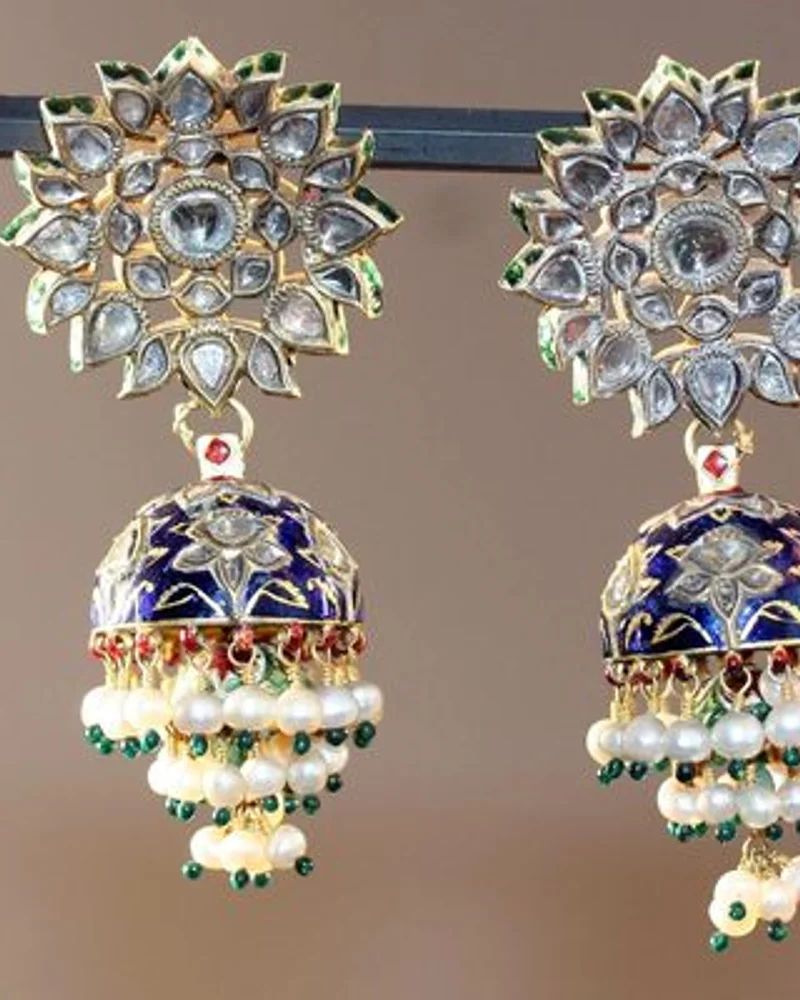
How to Price Imitation Jewellery: Profit Margin Guide
Jewellery is small, but pricing it well takes care. Buyers compare designs quickly, and the right price shows your style without scaring them away. Here is a simple method for home sellers.
Updated 25 October 2026 · ShopShare Guides
Quick answer
To price imitation jewellery, add the purchase price, your share of courier, packaging and an allowance for damage, then apply a markup, often around 2 times for low-cost pieces (example only). Oxidised jhumkas with a full cost of about ₹140 might sell for ₹279 to ₹299. For handmade pieces, also add your time at an hourly rate.
Full cost includes courier, packaging and a damage allowance
Example: ₹140 jhumkas sold at ₹279 to ₹299, about a 2x markup
Curated, bridal and handmade pieces often allow better margins
Combos and entry prices under ₹199 or ₹299 encourage first purchases
Set a minimum for free shipping so small orders stay profitable
Work out your full cost per piece
Add up everything it takes to get one piece to your customer.
Purchase price per piece, or materials if handmade
Your share of travel or courier from the supplier
Packaging: box or pouch, earring card, bubble wrap, courier bag
Your making time, for handmade pieces
An allowance for broken, tarnished or unsold pieces
Worked example: oxidised jhumkas
This is only an example. Your costs will differ.
Say you buy a dozen oxidised jhumkas for ₹1,200, which is ₹100 a pair. Courier from the supplier divided across your order adds ₹10 per pair. A pouch and card add ₹15, and you set aside ₹15 per pair for damage and slow sellers. Your full cost is about ₹140.
Jewellery often carries a higher markup than many other products because the piece cost is small and design matters. With a markup of about 2 times, you might sell at ₹279 or ₹299, after checking what similar jhumkas sell for locally and online.
For a handmade beaded earring, add your time. If materials cost ₹60 and the pair takes 30 minutes, valuing your time at ₹120 per hour adds ₹60, before packaging and profit.
Typical margins in jewellery
Margins vary a lot. Common designs that are easy to find online are harder to price high. Curated, trendy, bridal and handmade pieces often allow better margins because buyers value the design and your selection. Resellers usually earn less per piece than sellers with their own stock.
There is no single correct margin. Track your real profit after packaging, shipping and returns. Count packaging carefully, since a nice box can cost more than a simple pair of studs.
Pricing strategies that suit jewellery
Small items work well with combos and gifting.
Combos: any 3 earrings at a set price, or a necklace with matching earrings
Price points: keep some pieces under ₹199 or ₹299 as easy first purchases
MRP and offer price: show the regular price with a clear percentage off during sales
Festive and wedding collections: kundan for wedding season, oxidised for Navratri, gifting boxes for Raksha Bandhan
Gift packaging as a paid add-on for birthdays and anniversaries
Delivery charges and cash on delivery
Jewellery is light, so shipping is usually affordable, but it can be a large share of a low-priced order. Many sellers set a minimum order for free shipping, or a flat delivery charge. For local buyers, pickup or a small local delivery fee works well.
Cash on delivery can raise orders but may increase returns. On ShopShare you can choose which products allow cash on delivery and show MRP with the offer price, so the deal is clear before the WhatsApp chat starts.
When to raise your prices
Raise prices when supplier rates increase, when a design keeps selling out, or when you upgrade packaging or quality. For handmade work, raise prices as your skill and speed improve. Keep a few entry-level pieces so new buyers can still try you.
Get the free ShopShare app
Open your shop in a minute, show up for buyers near you on ShopShare Market and Google, and take orders on WhatsApp. No commission, ever.
It varies by design and how unique it is. Curated, trendy, bridal and handmade pieces often allow better margins than common designs that buyers can easily find online. Resellers usually earn less per piece than sellers who hold stock. Track your actual profit after courier, packaging and damaged pieces, not just the markup.
How do I price handmade jewellery?
Add materials, packaging and your time at an hourly rate, then add profit. For example, if materials cost ₹60 and a pair takes 30 minutes, valuing your time at ₹120 per hour adds ₹60 before packaging and profit. Compare with similar handmade pieces, and raise prices as your skill and speed improve.
Should I offer free shipping on jewellery?
Many sellers offer free shipping above a minimum order value, so small orders do not lose money on courier. Below that, a flat delivery charge works well. Jewellery is light, but shipping can still be a large share of a ₹199 order. For local buyers, pickup or a small local delivery fee is often enough.
What markup should I use for artificial jewellery?
There is no fixed rule. Many jewellery sellers use a higher markup than for clothing because piece costs are small and design matters, for example around 2 times the full cost for low-priced earrings (example only). Bridal sets may carry a lower percentage but higher rupee profit. Always compare similar pieces locally and online.
How do I price bridal jewellery sets?
Start with the full cost of the set, including purchase price, courier, a quality box and an allowance for damage. Bridal sets often carry a lower markup percentage than small earrings but earn more per sale. Show clearly what is included, such as necklace, earrings and maang tikka, and compare similar sets before finalising.
Should I offer combo deals on jewellery?
Combos often work well for jewellery because pieces are small and buyers like matching sets. Ideas include any 3 earrings at a set price or a necklace with matching earrings. Work out the combo price from your full costs so you still earn a profit, and use combos to move slower designs alongside bestsellers.
How much does it cost to ship jewellery in India?
Courier rates depend on weight, distance and the courier company, so check current rates with a few providers. Jewellery is light, which keeps charges manageable, but packaging like bubble wrap and a sturdy box adds cost. Because shipping can be a big share of a low-priced order, many sellers set a free shipping minimum.