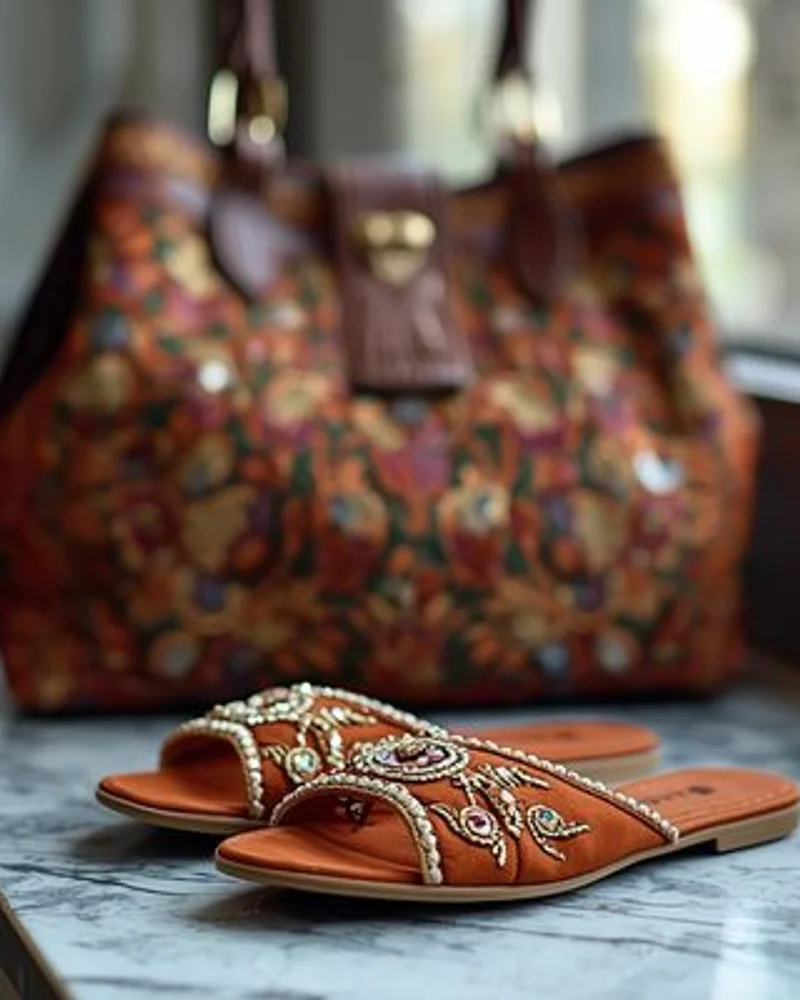
Step by step
- Choose your nichePick one buyer group, such as office women, college students, wedding guests or budget daily wear.
- Decide bags, footwear or bothBags have no sizes and are easier to start; add footwear later once you know your buyers' sizes.
- Check the legal basicsRead the current GST threshold on the GST portal, consider free Udyam registration and avoid any branded copies.
- Buy a small first lotBuy 15 to 30 pieces from a local or online wholesaler and note the full cost of each piece.
- Photograph and measureShoot bags from front, side and inside and footwear from top, side and sole, and note measurements in inches.
- Put your range onlineList every product with photos, size charts and prices so buyers can see everything from one link.
- Share with people you knowSend a few suitable pieces to friends, relatives and colleagues and post daily on WhatsApp Status.
- Pack well and ask for reviewsUse dust bags or boxes and bubble wrap, then ask first buyers for a photo and a short review.
Is this business right for you?
Bags and footwear suit you if you enjoy fashion, follow what people around you are wearing and do not mind explaining sizes and materials again and again. Women's handbags and sandals are the most common starting point, but men's wallets, college backpacks and kids' footwear also sell.
Footwear is harder than bags because of sizes. One sandal design may need sizes 36 to 41, and fit differs between brands. Bags have no sizes, so many sellers start with bags and add footwear later.
What you need and approximate starting budget
You need stock, dry storage away from damp walls, a phone with a good camera and packing material. Bags lose shape if crushed, so keep the paper stuffing they come with. These figures are approximate and only for planning.
- Bags only (approximate): ₹8,000 to ₹20,000 for 15 to 30 handbags, slings and clutches
- Bags plus footwear (approximate): ₹25,000 to ₹60,000, since footwear needs several sizes per design
- Extras (approximate): ₹1,500 to ₹4,000 for dust bags, boxes or strong courier bags, bubble wrap and a plain photo backdrop
Legal basics to check
Small home sellers often start without formal registration, but check what applies to you. Rules and limits change, so confirm with a CA or the official portals.
GST registration is usually needed only when your yearly turnover crosses the threshold, or when an online marketplace you sell on asks for a GSTIN. Check the current threshold on the GST portal. Free Udyam (MSME) registration can be useful as you grow, and some states have shop and establishment rules.
Be careful with branded copies. Selling bags or shoes with another company's logo or name can break trademark law. Stick to unbranded or your own label stock and describe materials honestly, for example 'PU leather' rather than 'leather' if it is synthetic.
Choose a niche and your first 10 products
Pick a lane that matches your buyers: office women, college students, brides and wedding guests, or budget daily wear. A clear niche helps your photos look like one shop instead of a random mix. A sample first range for a women's bags and sandals shop:
- A structured office tote in black and tan
- A small sling bag in 3 colours
- A party clutch with stone or sequin work
- A potli bag for weddings and festivals
- A college backpack
- A jute or canvas everyday tote
- Flat sandals in sizes 36 to 41
- One block heel for parties
- Kolhapuri chappals or juttis for ethnic outfits
- Wallets or card holders as a low-cost add-on
Name your shop and set it up online
Choose a short, stylish name that is easy to type, like 'Carry by Priya' or 'Step and Strap Jaipur'. Avoid names that sound like big brands. Check Instagram and Google so you do not clash with an existing shop.
Then put your products online with photos, size charts and prices. A free shop on ShopShare takes under a minute to open and gives you a link like yourname.shopshare.in. Buyers tap 'Order on WhatsApp', the chat opens with the product named, and they pay you directly by UPI or cash, with no commission.
Your first week plan
- Day 1: Buy a small first lot and note the cost of each piece
- Day 2: Photograph each bag from front, side, inside and with someone holding it; photograph sandals on feet and from the sole
- Day 3: Measure every bag in inches and note foot length for each footwear size
- Day 4: Add all products to your online shop and share the link with family and friends
- Day 5: Start posting on WhatsApp Status daily
- Day 6: Pack and deliver first orders carefully so bags keep their shape
- Day 7: Ask buyers for feedback and a photo with the bag or sandals