Step by step
- Choose one nicheDecide between daily cotton shirts, ethnic kurtas for festivals or casual t-shirts and polos for younger buyers.
- Set a small budgetPlan an approximate first budget of ₹10,000 to ₹25,000, plus a steam iron, hangers and packing.
- Check the legal basicsRead the current GST threshold on the GST portal, consider free Udyam registration and avoid branded copies.
- Buy a small first lotBuy core sizes M, L and XL from a local or online wholesaler and note the full cost of each piece.
- Steam, photograph and measureShoot every piece on a hanger or mannequin in daylight and note chest, shoulder and length in inches.
- Put your range onlineList each product with photos, a size chart and price so buyers can see everything from one link.
- Share with family and friendsSend suitable pieces to men you know and to the women who shop for them, and post daily on WhatsApp Status.
- Deliver and ask about fitAfter delivery, ask how the fit was, request a short review and note the buyer's size for next time.
Is a menswear business right for you?
Menswear suits you if you have a network of men or of women who shop for the men in their family. Many orders for men's kurtas and shirts are actually placed by wives, sisters and mothers, especially for festivals and gifts.
Men tend to reorder what fits well. Once a buyer trusts your sizing, he may buy the same shirt in three colours. The challenge is fit: chest, shoulder and length vary between makers, so you need clear size charts.
What you need and approximate starting budget
You need stock, a clean dry cupboard, a steam iron, a phone with a good camera and packing material. A mannequin or hanger setup helps photos look neat. These figures are approximate and only for planning.
- Small start (approximate): ₹10,000 to ₹25,000 for 25 to 40 pieces of cotton shirts or kurtas in core sizes
- Fuller start (approximate): ₹30,000 to ₹70,000 adding festive kurta sets, Nehru jackets and a few premium pieces
- Extras (approximate): ₹1,500 to ₹4,000 for a steam iron, hangers, polybags, a measuring tape and a mannequin
Legal basics to check
Many home sellers begin small without formal registration, but you should know the basics. Rules change, so confirm with a CA or the official portals.
GST registration is usually needed only when your yearly turnover crosses the threshold, or when an online marketplace you use asks for a GSTIN. Check the current threshold for your state on the GST portal. Udyam (MSME) registration is free and can help later, and some states have shop and establishment rules for businesses.
Do not sell copies with big brand logos or labels. Unbranded stock or your own label is safer and builds your own name.
Choose a niche and your first 10 products
Pick one direction first: daily cotton shirts for office men, ethnic kurtas for festivals and weddings, or casual t-shirts and polos for younger buyers. A sample first range for an ethnic and smart-casual menswear shop:
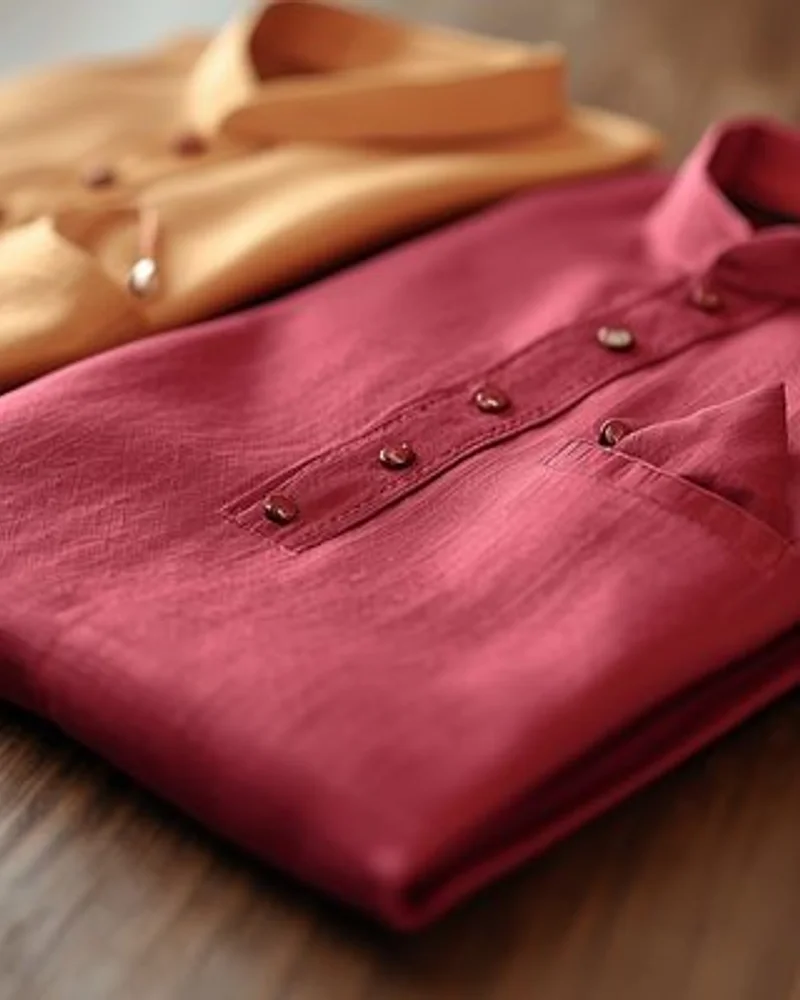
- Plain cotton short kurtas in white, navy and olive
- A printed long kurta for festivals
- Kurta pyjama sets in 2 colours
- A Nehru or modi jacket that pairs with the kurtas
- A chikankari kurta as a premium piece
- Cotton formal shirts in white and light blue
- Linen-look casual shirts for summer
- Polo t-shirts in 3 colours
- A festive silk-blend kurta for weddings
- Father and son matching kurta sets for festivals
Name your shop and set it up online
Pick a name that sounds confident and is simple to spell, like 'Kurta Club Indore' or 'The Shirt Desk by Arjun'. Avoid names close to existing brands, and check Instagram and Google before you decide.
Then put your range online with photos, a size chart in inches and prices. A free ShopShare shop opens in under a minute and gives you your own link like yourname.shopshare.in. Buyers tap 'Order on WhatsApp', the chat opens with the product named, and they pay you directly by UPI or cash with no commission.
Your first week plan
- Day 1: Buy a small first lot in sizes M, L and XL, which are common starting sizes, and note each cost
- Day 2: Steam and photograph every piece on a hanger or mannequin, plus a fabric close-up
- Day 3: Measure chest, shoulder and length for each size and make a size chart
- Day 4: Put everything online and share the link with family and friends
- Day 5: Start daily WhatsApp Status posts with price and sizes
- Day 6: Deliver first orders folded neatly in polybags
- Day 7: Ask buyers how the fit was and note it for next time