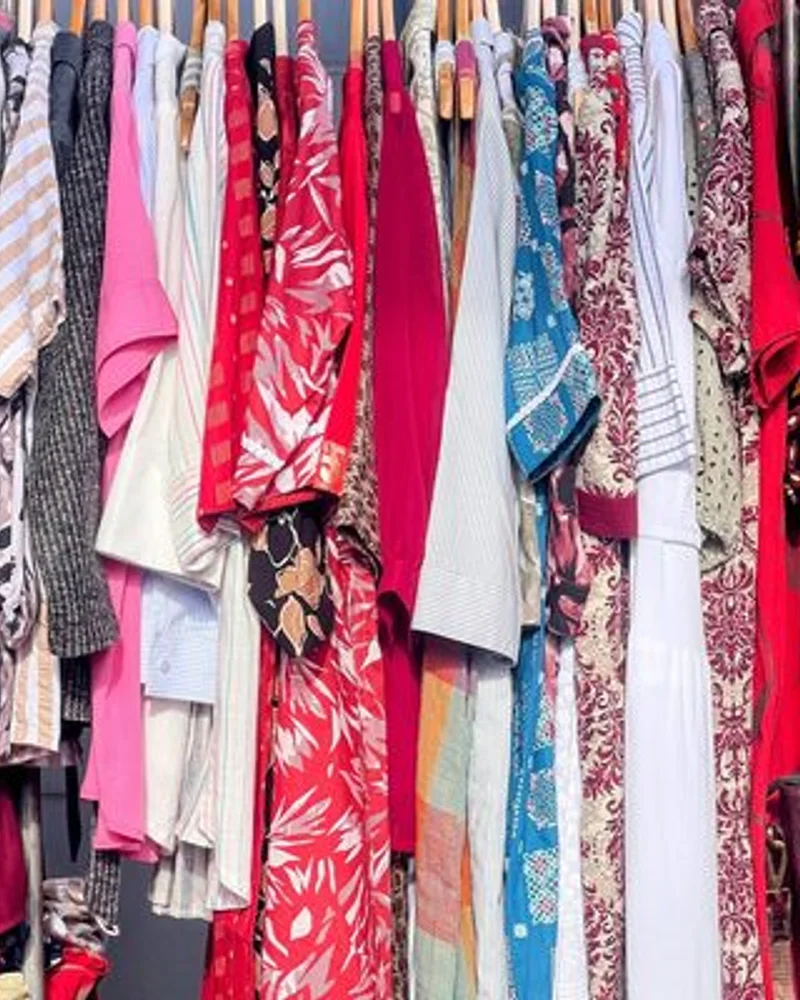
Well-known boutique wholesale markets in India
Each hub has its own speciality. Visiting even once teaches you a lot about fabric, finishing and real wholesale prices.
- Surat, Gujarat: a huge textile hub for sarees, dress materials, kurtis and synthetic fabrics. Ring Road textile markets are the main area
- Jaipur, Rajasthan: known for block-printed cotton kurtis, Sanganeri and Bagru prints, and ethnic sets
- Delhi: Gandhi Nagar is one of the largest readymade garment markets, and Chandni Chowk is known for ethnic and bridal wear
- Mumbai: Dadar and Hindmata areas are known for dress materials, sarees and fabrics at wholesale rates
- Tiruppur, Tamil Nadu: a major knitwear centre, good for cotton tops, t-shirts, nightwear and leggings
- Kolkata: Burrabazar is a large wholesale area for sarees, fabric and garments for eastern India
- Ahmedabad, Indore and Ludhiana also have strong local wholesale markets worth exploring
Buying small when you cannot meet the MOQ
Many wholesalers sell in full sets, often one piece in each size or a minimum number of designs. That can be too much for a new seller. You still have options.
Share a set with another boutique owner and split sizes or colours between you. Ask for a sample piece before a bulk order, and be ready to pay a little more for it. Some shops in Surat and Jaipur sell to resellers in smaller lots, especially on WhatsApp catalogues.
Online B2B platforms such as IndiaMART and Udaan list many garment suppliers and some allow smaller orders. Compare several sellers, and treat these platforms as a place to find suppliers, not a guarantee of quality.
Checking quality before you buy
A cheap kurti that fades after one wash will cost you a customer. Check every new supplier carefully.
- Feel the fabric and ask the exact composition: cotton, rayon, georgette or blends
- Check stitching at the armholes, side seams and hem
- Look at print alignment and colour matching between top and bottom in sets
- Measure chest and length yourself. Size labels vary widely between suppliers
- Wash one sample at home to check colour bleeding and shrinkage
Avoiding scams with online suppliers
Fake wholesale pages on Instagram and WhatsApp are common. Be careful with any supplier who only shares catalogue photos and asks for full payment upfront.
Ask for a live video of the actual pieces, not model photos. Check the GSTIN on the official GST portal if they share one. Start with a small first order. Prefer suppliers who have a physical shop you or someone you know can visit. If the price looks far below the market, it usually is too good to be true.
Negotiating and managing stock
Wholesale prices are often flexible for repeat buyers. Be polite, show you plan to come back, and ask for a better rate on larger or regular orders rather than haggling hard on the first visit. Ask about exchange policy for damaged pieces before you pay.
Do not put all your money into one design. Buy small quantities of many styles, see what sells, then reorder winners. Keep a simple list of each design, quantity, buying price and supplier phone number so reorders are quick.
Clear slow-moving stock before each new season with a small discount or a bundle offer. Old stock sitting in the almirah is money you cannot use.