Step by step
- Message people you knowSend personal messages, not forwards, to friends, family and colleagues with your shop link and why you chose these products.
- Offer help choosingAsk about skin type or usual shade and suggest suitable products. Advice is your biggest advantage over large websites.
- Post on Status dailyShare 3 to 5 Status updates a day, such as a product with a tip, a swatch or texture shot, and a review or combo offer.
- Share reels on InstagramPost short reels of products in use, like a quick skincare routine or a lipstick swatch, and keep your shop link in your bio.
- Get found locallyMake sure nearby buyers can find you through local listings and a free Google Business Profile, if you are comfortable showing your area.
- Collect genuine reviewsAfter each delivery, ask how the product worked and share real feedback on Status with the buyer's permission.
- Plan around the calendarStock and post ahead of wedding season, Diwali and Rakhi, and seasonal needs like summer sunscreen and winter lip care.
- Bring buyers backNote what each buyer bought and send a friendly reminder when the product is likely to run out.
Start with people who already trust you
Your first buyers are usually friends, family, neighbours and colleagues. Send them a personal message, not a forward: tell them what you are selling, why you chose these products, and share your shop link.
Offer to help them choose. Ask about their skin type or the shade they normally use. Advice is your biggest advantage over a big website. When your first buyers are happy, ask them to share a photo or a line of feedback you can post.
A daily WhatsApp Status routine
WhatsApp Status is where most home beauty sellers get their steady orders. People check Status every day, so posting regularly keeps you in their mind.
A simple routine that does not feel like spam:
- Morning: one product with price and a one-line tip, such as which skin type it suits
- Afternoon: a swatch, texture or before-and-after style photo of your own use
- Evening: a buyer review, a combo offer or a back-in-stock note
- Keep it to 3 to 5 posts a day so people do not mute you
WhatsApp groups and Instagram
In society, college or community groups, share only where selling is allowed, and not more than a couple of times a week. A helpful post such as five sunscreens under ₹500 for oily skin gets more replies than a plain price list.
On Instagram, reels that show a product in use work well for beauty: applying a lipstick, a quick morning skincare routine, unboxing a combo. Show real texture and real skin. Use simple captions with the price and how to order, and keep your shop link in your bio. With ShopShare you can share a product straight to WhatsApp Status, Instagram or Facebook, and buyers who tap through can order on WhatsApp with the product already named.
Local listings and word of mouth
Being findable nearby matters. Your shop gets listed on ShopShare Market, where buyers near you see nearby sellers first. A free Google Business Profile helps people searching for cosmetics near them find you, if you are comfortable showing your area.
Reviews build trust faster than anything else in beauty. After each delivery, send a short thank-you and ask how the product worked for them. Share genuine feedback, with permission, on your Status.
Your beauty selling calendar
Plan your stock and posts around the times people buy more:
- Wedding season: bridal kits, makeup for guests and gift sets
- Diwali and Durga Puja: festive makeup, gift boxes and combos
- Rakhi and Bhai Dooj: gift sets for sisters and brothers, including men's grooming
- Summer: sunscreen, oil control and lightweight moisturisers
- Monsoon and winter: hair care, frizz control, lip balm and body butter
- Valentine's Day, Women's Day and Mother's Day: gift combos
Repeat customers and photos that sell
Beauty is a repeat business. A face wash or serum runs out in a month or two, so note what each buyer bought and send a friendly reminder when they may be running low. Track each WhatsApp enquiry as new, paid or delivered so no one slips through.
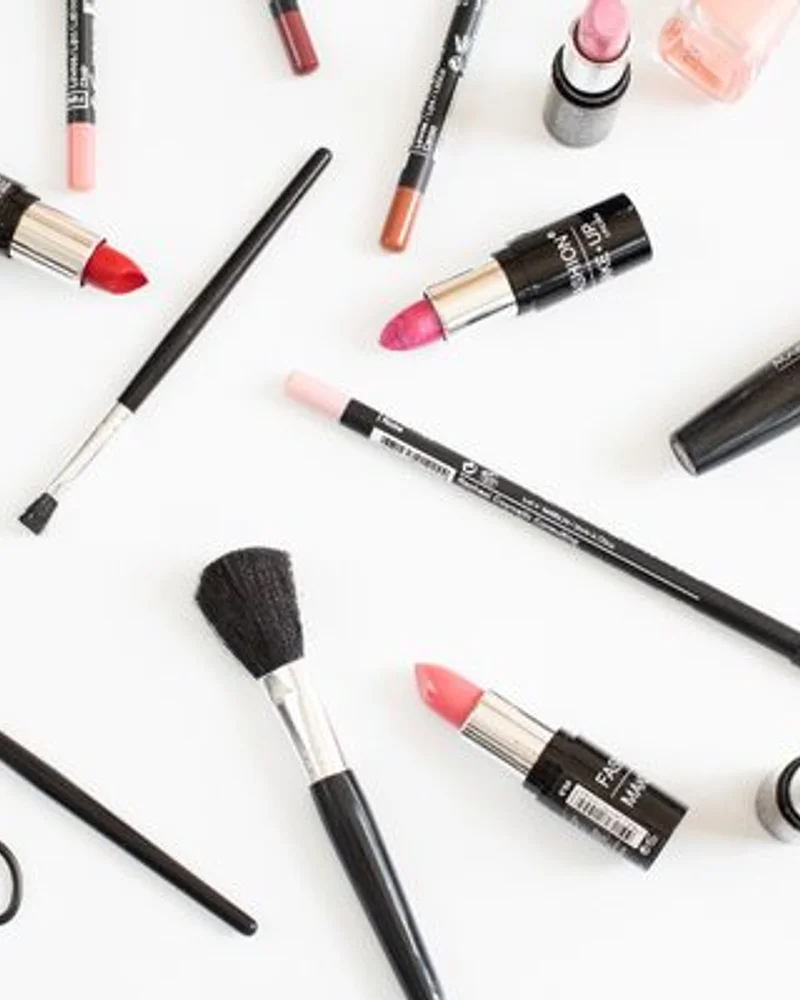
For photos, use daylight near a window, a plain background and a clean hand for swatches. Show the front label, the texture, and the size next to something familiar. Avoid heavy filters, since buyers want to see the real colour.