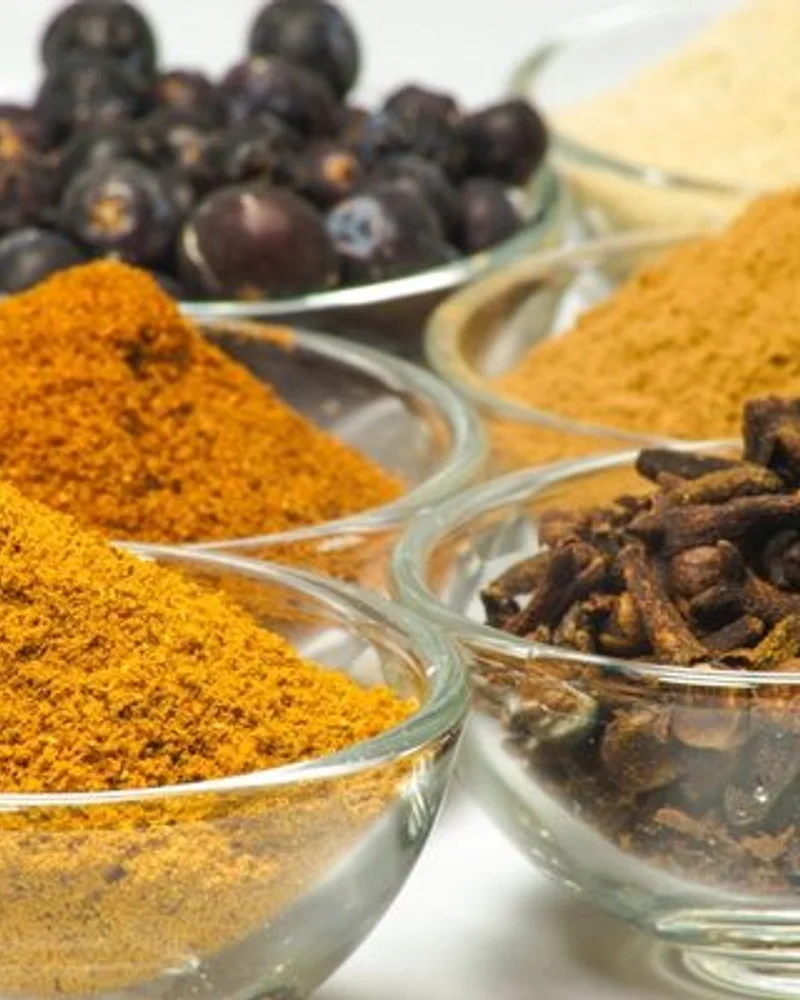
Where to Buy Spices and Food Ingredients Wholesale in India
Buying ingredients at retail prices quietly eats your profit. Once your food business is steady, wholesale buying of spices, oil, dals and packaging can make a real difference. Here is where to buy and how to keep quality high.
Updated 25 October 2026 · ShopShare Guides
Quick answer
Well-known places to buy spices and food ingredients wholesale in India include Khari Baoli in Delhi, Unjha in Gujarat for seed spices, Guntur in Andhra Pradesh for red chillies, Kochi for Kerala spices, and APMC yards such as Vashi in Navi Mumbai. Most cities also have local wholesale grocery lanes, and B2B sites list packaging suppliers.
Khari Baoli, Unjha, Guntur and Kochi are famous spice markets
Buy only high-use ingredients wholesale; buy rare spices locally
Ask for food-grade certification on all packaging
Smell, colour and moisture checks help spot poor or adulterated spices
Do not overbuy; plan purchases around weekly orders
Wholesale spice and grocery markets
Every city has a wholesale grocery area. Ask local kirana owners where they buy from. Some well-known markets include:
Khari Baoli, Delhi: one of Asia's best-known spice markets, also dry fruits and dals
Unjha, Gujarat: a major market for cumin, fennel and other seed spices
Guntur, Andhra Pradesh: famous for red chillies
Kochi, Kerala: a historic trading hub for pepper, cardamom and other Kerala spices
Vashi APMC, Navi Mumbai, and APMC yards in many cities: grains, spices, onions and more
Local wholesale grocery lanes in your own city, often near the old market area
Packaging and label suppliers
Good packaging keeps food fresh and makes your products look trustworthy. Look for food-grade glass and PET jars, zip-lock standing pouches, laminated pouches with a window, and butter-paper or boxes for sweets.
Most cities have packaging markets, and many suppliers sell online. Online B2B platforms such as IndiaMART and Udaan list packaging and ingredient suppliers. Ask for food-grade certification for anything that touches food, and order samples before buying in bulk. Local printing shops can print simple stickers with your label details.
Buying small when you cannot meet the MOQ
Wholesale shops often sell by the kilo or by the bag. For a new seller, even 5 kg of one spice may be too much.
Start by buying only your highest-use ingredients wholesale, such as oil, chilli powder, mustard or jaggery. Buy rarely used spices in smaller quantities locally. Share a sack or carton with another home cook. Many packaging suppliers have smaller trial packs, so ask before ordering thousands of pouches.
Checking quality and freshness
Grinding your own masalas from whole spices gives you more control over quality, and is a selling point you can mention to buyers.
Smell spices before buying. Fresh spices have a strong aroma
Check colour. Unnaturally bright chilli or turmeric can be a warning sign of adulteration
Look for moisture, insects or lumps in powders and grains
Ask about the crop year for whole spices and dals
Buy from the same trusted supplier so your taste stays consistent batch to batch
Avoiding scams, negotiating and managing stock
Be cautious with online suppliers offering very low prices on saffron, cardamom, honey or dry fruits, as these are often adulterated or misrepresented. Ask for a small sample, pay a small amount first, and prefer sellers with a real shop or good local references.
Negotiate on regular monthly orders rather than one-off purchases. Wholesalers value steady buyers. Pay promptly and you will often get better rates and first pick of fresh stock.
Food stock spoils, so do not overbuy. Store ingredients in airtight containers away from sunlight and humidity, and use older stock first. Keep a simple list of ingredient, quantity, purchase date and supplier, and plan buying around your weekly orders, not hopes.
Get the free ShopShare app
Open your shop in a minute, show up for buyers near you on ShopShare Market and Google, and take orders on WhatsApp. No commission, ever.
Khari Baoli in Old Delhi is among the most famous spice markets in India and Asia, also selling dry fruits and dals. Other important markets include Unjha in Gujarat for cumin and fennel, Guntur in Andhra Pradesh for red chillies and Kochi for pepper, cardamom and other Kerala spices.
Should a small food seller buy wholesale?
Buy wholesale only for ingredients you use a lot, such as oil, chilli powder, mustard, jaggery and your core spices. Buy rarely used items in small quantities locally to avoid waste and stale stock. As orders become steady, move more items to wholesale and build a relationship with one or two trusted suppliers.
Where can I buy food packaging in small quantities?
Local packaging shops, online stores and B2B platforms like IndiaMART often sell smaller lots of jars, pouches and boxes. Many suppliers offer trial packs if you ask. Always ask for food-grade material for anything that touches food, order samples before bulk buying, and check that lids and seals do not leak.
Where can I buy spices wholesale for a masala business?
Start with your city's wholesale grocery or APMC market, where kirana owners buy. For larger needs, specialist markets like Khari Baoli, Unjha for seed spices and Guntur for chillies are well known. Buying whole spices and grinding them yourself gives more control over quality and freshness, which you can share with buyers.
How do I check spices for adulteration?
Smell spices before buying, as fresh spices have a strong aroma. Be careful with unnaturally bright chilli or turmeric, and look for moisture, insects or lumps in powders. Buying whole spices and grinding them yourself reduces risk. FSSAI has published simple home tests for common adulterants, so check its official website for guidance.
Is it cheaper to buy spices from APMC markets?
Often yes for bulk quantities, because APMC yards and wholesale markets sell closer to the source. But prices vary by season, crop and quality, and you may need to buy by the bag. Add travel time and storage before comparing. For small amounts, a local wholesale grocery lane may work out just as well.
How much raw material should I buy for a home food business?
Buy based on your expected orders for the next few weeks, not hopes. Food stock spoils, so overbuying wastes money. Keep a simple list of ingredient, quantity, purchase date and supplier, use older stock first, and increase quantities only once orders are regular. Store everything airtight, away from sunlight and moisture.